




-
-
- Documentation (Data) and Statistics & Study Monitoring Unit
- Cancer Epidemiology and Preventive Oncology Unit
- Clinical Oncology and Clinical Trials Unit
- Basic Oncology, Cancer Genetics, and Cancer Molecular Biology R&D Unit
- Tumour Immunology, Cancer Vaccine, Cellular Therapies in Cancer Treatment, and Transplantation Unit
-
-
- Projects
-
- Announcements
- Contact
Son Eklenen Haberler
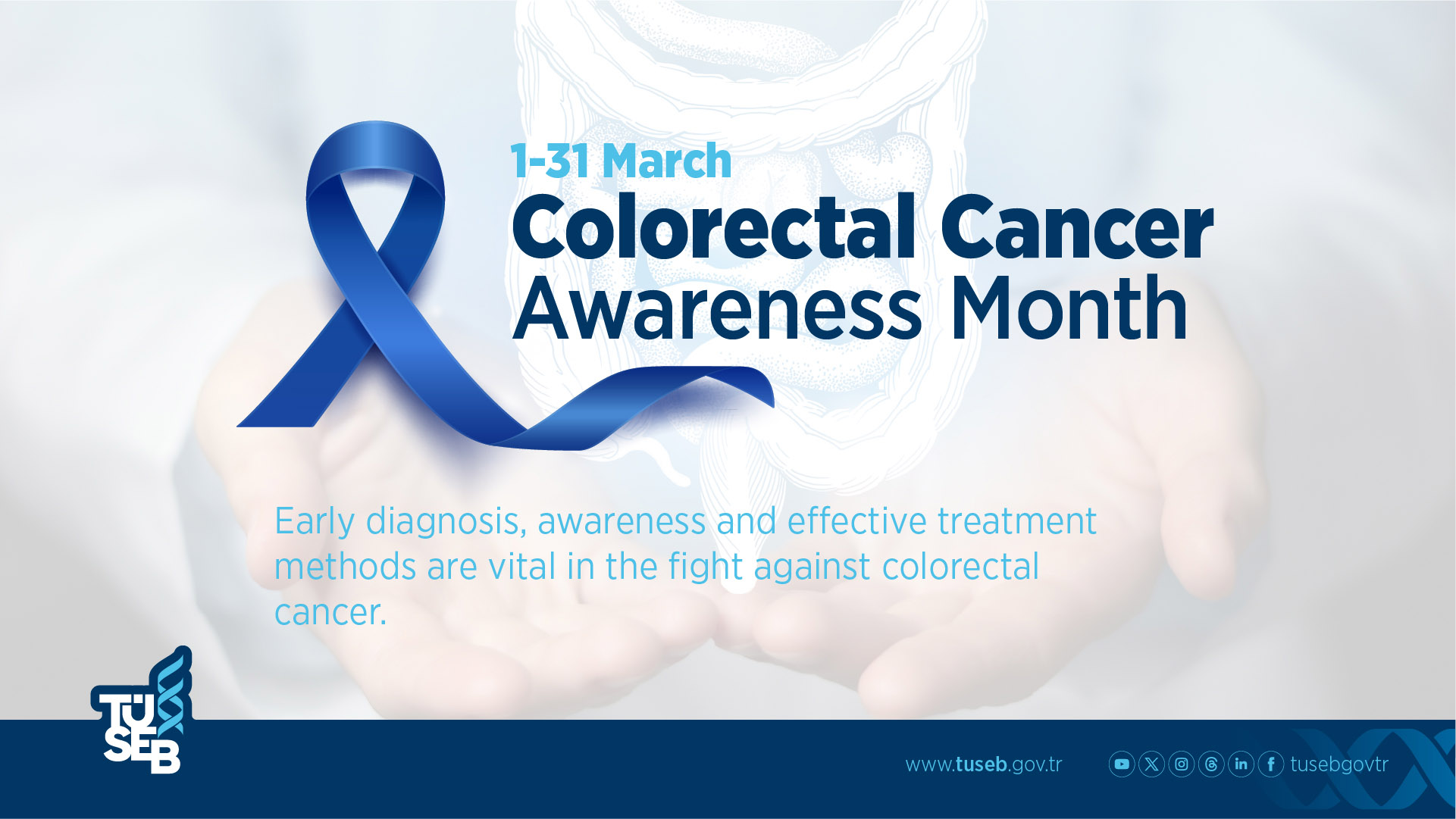
Colorectal Cancer Awareness Month
Colorectal cancers are among the most common cancer types both in the world and in our country. Worldwide, 1.9 million new colorectal cancer cases and 904 thousand colorectal cancer-related deaths were detected in a year. According to GLOBOCAN 2022 data, the incidence in our country ranks third in men and fourth in women. 85% of patients are diagnosed with colorectal cancer at the age of 50 and older.
Colorectal cancers usually occur when small, benign tumors called polyps become cancerous over time. Symptoms include changes in bowel habits such as diarrhea and constipation that last for more than a few days, a feeling of incomplete bowel emptying, rectal bleeding characterized by bright or dark red blood, the presence of blood that can make stools appear dark brown or black, abdominal bloating, cramping pain or gas, weight loss for no known reason, weakness and fatigue. The most important risk factors are genetic predisposition, age, inflammatory bowel disease and poor eating habits. Early diagnosis, awareness and effective treatment methods are vital in the fight against colorectal cancer. Routine check-ups, fecal occult blood tests and colonoscopy can help diagnose cancer at an early stage. Colorectal cancer is a largely curable disease when diagnosed at an early stage, and the possibility of survival, improved quality of life and successful treatment is high with the expansion of screening programs. Colorectal cancer treatment varies depending on the stage of the tumor, the patient's general health status, and other genetic and environmental factors. Treatment options may include surgery, chemotherapy, radiotherapy and targeted therapies.
In line with the recommendations of the World Health Organization (WHO), "National Standards for Colorectal Cancer Screening Program" were determined and this program was put into practice in our country. In Cancer Early Detection, Screening and Training Centers (KETEM), Healthy Life Centers (SHM) and Family Health Centers (ASM) operating under Community Health Centers (TSM), the female and male population between the ages of 50-70 are screened free of charge every 2 years in a fast, practical and reliable way. Within the scope of screening, colonoscopy is also recommended for people in this age group every 10 years.
Regular health checks, healthy lifestyle choices and awareness of risk factors are the most important steps in this fight. Let us not forget that knowledge and awareness is one of the most powerful weapons in the fight against cancer.