







-
-
- Documentation (Data) and Statistics & Study Monitoring Unit
- Cancer Epidemiology and Preventive Oncology Unit
- Clinical Oncology and Clinical Trials Unit
- Basic Oncology, Cancer Genetics, and Cancer Molecular Biology R&D Unit
- Tumour Immunology, Cancer Vaccine, Cellular Therapies in Cancer Treatment, and Transplantation Unit
-
-
- Projects
-
- Announcements
- Contact
Cancer Genetics
Cancer is a genetic disease; that is, it is caused by alterations in the genes that control the functioning of our cells, particularly how they grow and divide. While some of these alterations may result from familial inheritance passed down through generations, others are newly emerged genetic variations exclusively present in the cells of the diseased tissue.
The genetic changes that cause cancer can include:
- errors that occur as cells divide,
- DNA damage caused by harmful substances from various environmental sources, such as chemicals in tobacco smoke and ultraviolet rays from the sun,
- inherited DNA from parents.
The body normally eliminates cells with damaged DNA before they become cancerous. However, the ability of body tissues to perform this function declines as individuals age. This is one of the reasons why the risk of cancer is higher at advanced ages. Every person's cancer possesses a unique combination of genetic alterations. As the cancer continues to grow, additional changes will occur. Even within the same tumour, different cells may harbour distinct genetic changes.
- By conducting mutation screenings and genome sequence analyses on the genome of the cancerous tissue, the molecular characteristics of the cells constituting the tissue in the affected individual can be determined, thereby enabling the development of innovative approaches in the fight against the disease.
A. Cancer Genome Analysis
Cancer genomics can be defined as the study of the complete DNA sequence and the expression of DNA in tumour cells. Following the completion of human genome sequencing in 2003, diverse methods have been developed in the approach to studying cancer, driven by the increased knowledge acquired regarding the gene pool. Some of the genetic alterations identified in tumour samples through whole-genome analysis as causing cancer to disrupt the normal functioning of tumour suppressor genes, which regulate cell growth and cell death (apoptosis) and generally provide protection against cancer. For instance, it has been determined that individuals harbouring mutations in the tumour suppressor genes BRCA1 and BRCA2 have a significantly higher risk of developing breast, ovarian, and prostate cancer. Although genetic mutations may not play a central role in all cancer diagnoses, the presence or absence of a mutation can alter the manner in which the cancer is characterized in the patient. Furthermore, certain genetic mutations significantly influence the selection of treatment.
The genomic approach has accelerated the development of new cancer drugs. Genetic mutations that cause or influence cancer are regarded as potential targets for drug development. Transcriptional data have been generated for the discovery of functional connections among genes, diseases, and drugs. Through the identified mutation points, the probability of the cancer becoming resistant to treatment or whether it will respond to the administered drug is determined.
With the generation of new knowledge and technological advancements such as next-generation sequencing, research conducted on cancer will continue to advance in conjunction with multidisciplinary and complex systems.
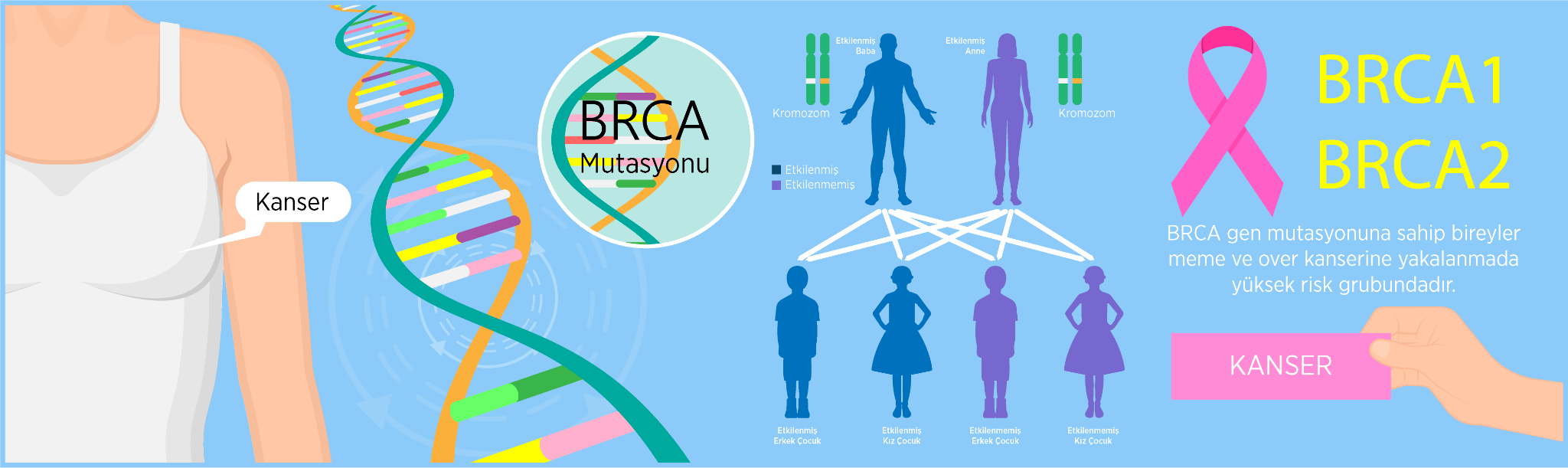
Personalized Medicine:
The acquisition of patient tissue-derived cells and the testing of lead drug combinations on these cells (the generation and therapeutic utilization of xenograft animal models capable of carrying human tissues and human organoid tissue models).
Personalized cancer therapy is a concept that describes the administration of individualized treatments tailored to each patient. The utilization of personalized tumour models possessing identical characteristics to those found in the individuals may lead to a more accurate prediction of drug responses in patients. Patient tissue-derived tumour organoid models offer various advantages over previously utilized models due to their capacity to preserve the molecular and cellular composition of the tumour in the affected individual. These advantages underscore the impressive potential of tumour organoids in personalized cancer treatment, particularly in preclinical drug screening and in predicting patient responses to selected treatment regimens.
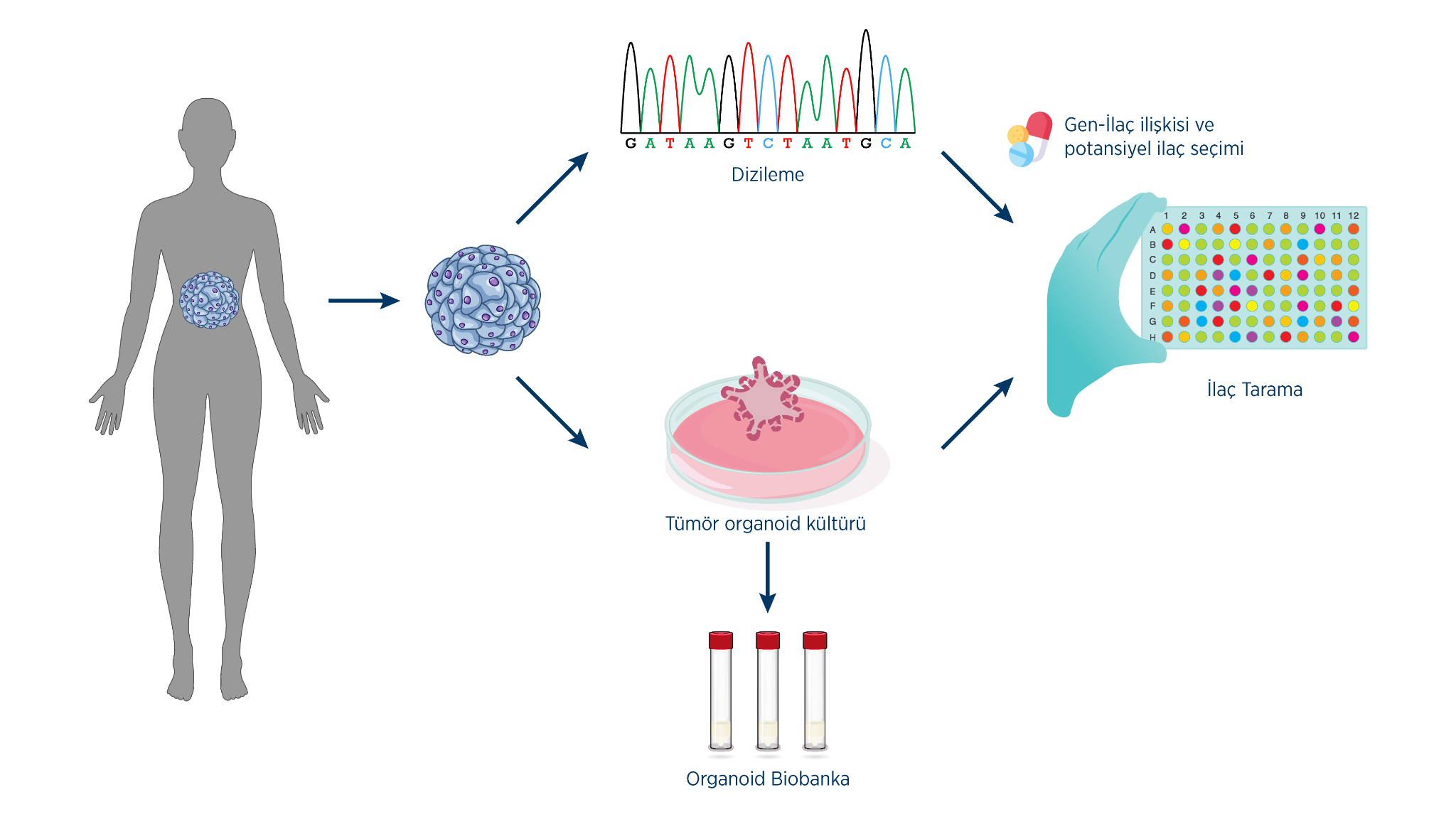
Şekil 1 – Fig. 1: In this approach, the procedure commences with the sequencing of tumour biopsies or dissected specimens utilizing next-generation sequencing methods, and proceeds with the culture of patient-derived tumour organoids, which will be histologically and pathologically compared with the primary tumours prior to being subjected to drug screening. In parallel, a portion of the derived organoids will be preserved in a biobank. To determine effective therapeutic strategies based on the sequencing results and gene-drug associations, high-throughput drug screenings of candidate drugs, encompassing standard chemotherapy and targeted therapy agents, can be conducted within a reproducible process.
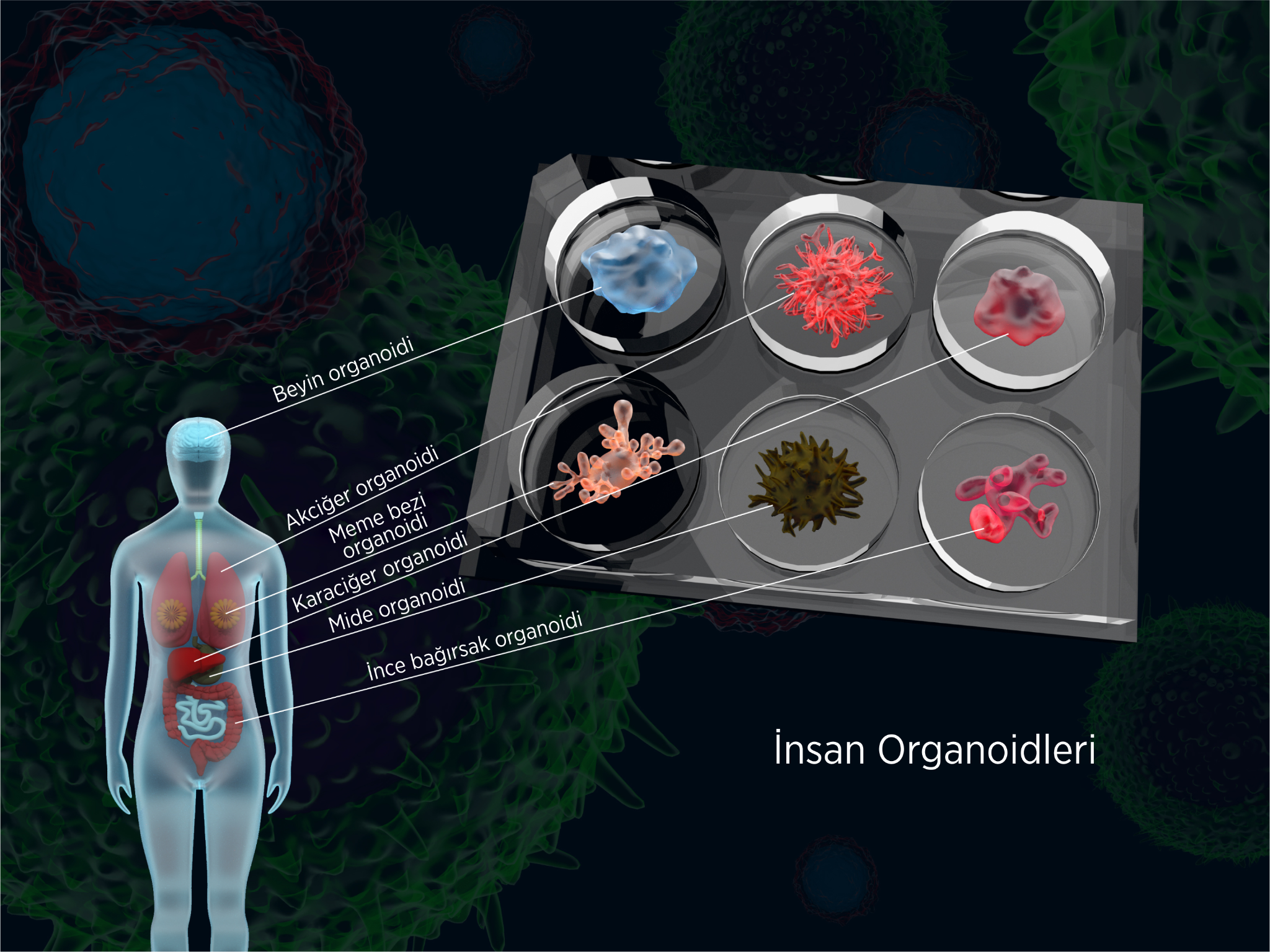
Şekil 2 – Fig. 2: Examples of human organoid development (Adapted from: Es, H. A., Montazeri, L., Aref, A. R., Vosough, M., & Baharvand, H. (2018). Personalized cancer medicine: an organoid approach. Trends in Biotechnology, 36(4), 358-371.)