




-
-
- Documentation (Data) and Statistics & Study Monitoring Unit
- Cancer Epidemiology and Preventive Oncology Unit
- Clinical Oncology and Clinical Trials Unit
- Basic Oncology, Cancer Genetics, and Cancer Molecular Biology R&D Unit
- Tumour Immunology, Cancer Vaccine, Cellular Therapies in Cancer Treatment, and Transplantation Unit
-
-
- Projects
-
- Announcements
- Contact
Son Eklenen Haberler
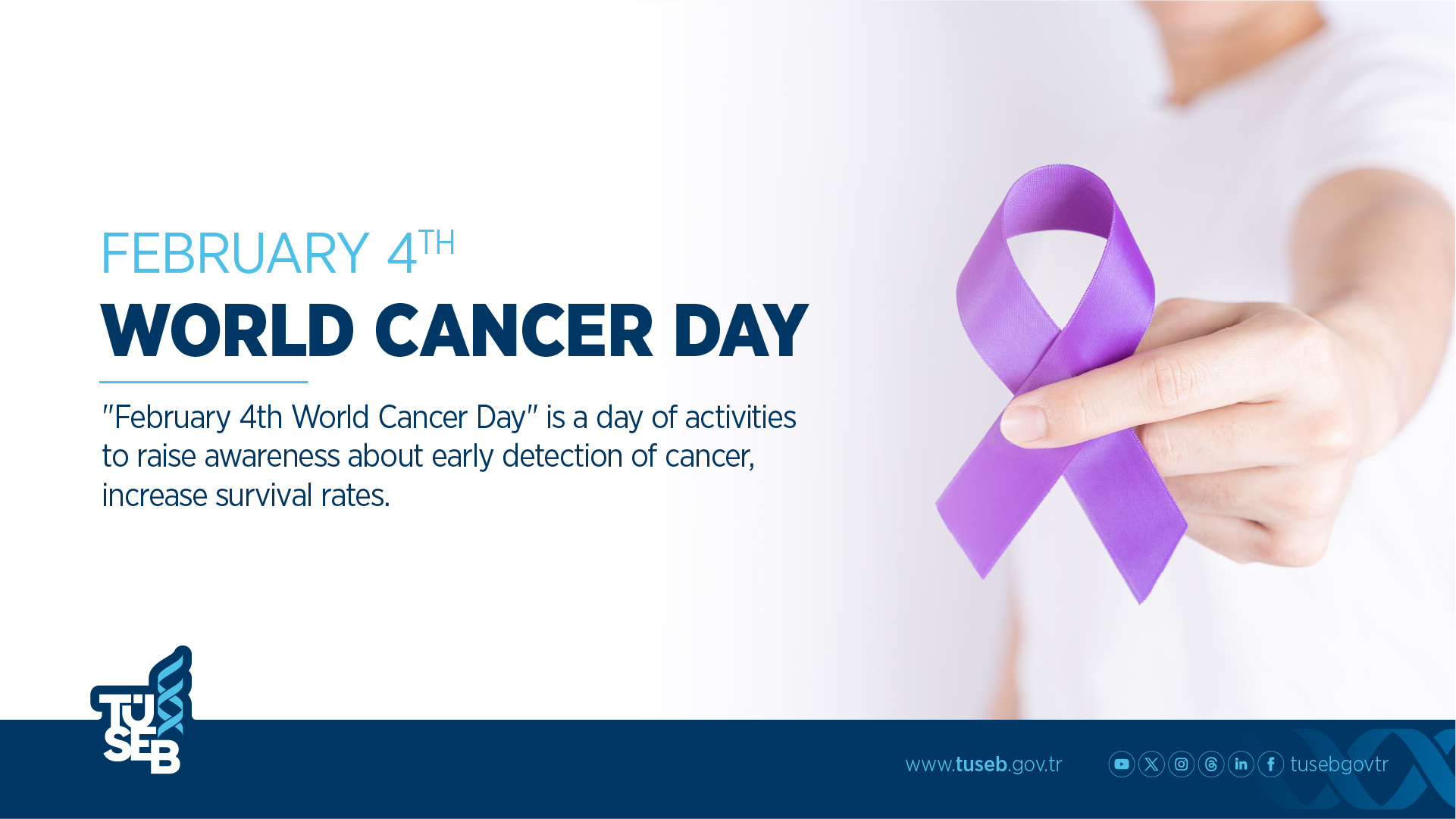
February 4th World Cancer Day
World Cancer Day, which takes place every year on February 4, serves as a reminder to raise awareness of cancer, the second most common cause of death, to promote prevention, diagnosis and treatment of cancer, to provide support to those affected by the disease and to reduce the global impact of cancer. Cancer is a genetic disease. These genetic changes may occur later in life or may be inherited in the family, and this group of cancers is called hereditary/familial cancers. However, it is also associated with environmental factors and lifestyle choices such as tobacco use, high body mass index, dietary habits, lack of physical activity, alcohol consumption. About one-third of cancers can be prevented by avoiding risk factors and implementing evidence-based prevention strategies. Educating the public about the effects of cancer is a critical part of the global effort to combat this widespread and challenging disease. In addition, collaboration with health professionals and organizations is another element that strengthens the impact of awareness initiatives. Ensuring the dissemination of accurate information and promoting the importance of regular health checks and screenings are essential components of this collaboration. Advocating for policies that support cancer research, increase access to quality health services and address risk factors is a vital aspect of systemic change. Education campaigns, community events, social media initiatives and cancer policy development can significantly contribute to raising awareness about cancer, promoting early detection and improving clinical outcomes for those affected by the disease. Early detection of cancer is crucial in increasing survival rates and reducing the impact of the disease on individuals and health systems. In this context, national screening programs enable the development of more effective advanced diagnostic and treatment strategies, such as encouraging and supporting routine check-ups and contributing to the timely detection of cancer. The development of these advanced diagnostic and treatment strategies has led to significant improvements in cancer cure rates.
In our country;
● Breast cancer through breast examination and mammography;
● Cervical cancer with methods such as Pap smear test and HPV test;
● Prostate cancer with methods such as digital rectal examination and prostate specific antigen (PSA) test; and
● Colonoscopy and fecal occult blood tests are used to screen for colon cancer.
Within the scope of this issue, Cancer Early Detection, Screening and Education Centers (KETEM), Healthy Life Centers (SHM) and Family Health Centers (FHC) established by the Ministry of Health of the Republic of Turkey and affiliated to Community Health Centers (TSM) are actively serving in our country. In addition, mobile screening vehicles can also be used to carry out screenings for rural and disadvantaged groups.
As the Turkish Cancer Institute under the TÜSEB, we continue our work and activities with dedication for a world where preventable cancer deaths are minimized and those affected by cancer receive the best possible care and support.